In a landmark announcement that signals a new chapter for Korean product distribution, SalesKR has unveiled its most ambitious strategy to date — a comprehensive 2026 Global Expansion Roadmap that targets supply chain operations across 50 countries by the end of the fiscal year.
Why Oslo and Dubai?
The selection of Oslo and Dubai as the two anchor hubs was the result of an 18-month feasibility study conducted across 23 candidate cities. Oslo offers unparalleled access to the Nordic and Baltic markets — regions where per-capita spending on premium skincare and functional foods has grown by 31% since 2023. Dubai, meanwhile, serves as the natural gateway to the GCC bloc, South Asia, and the broader MENA corridor, handling over $14 billion in re-export trade annually.
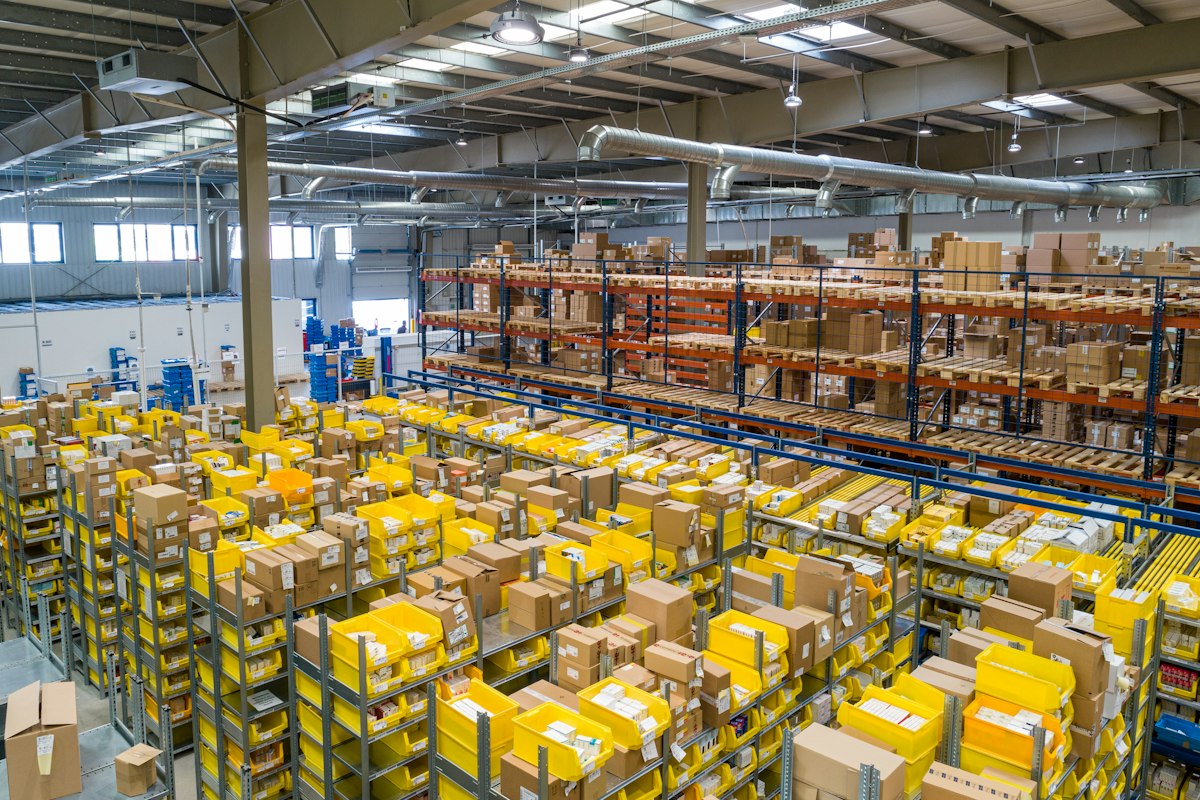
Both cities share critical infrastructure advantages: world-class cold-chain logistics for food products, robust customs frameworks favorable to Korean HS-coded exports, and established Korean business communities that streamline the on-the-ground partner acquisition process. SalesKR's logistics team confirmed that average delivery lead times to end importers in these regions will drop from 11 days to under 7 days once the hubs are fully operational by Q3 2026.
AI-Powered Demand Forecasting
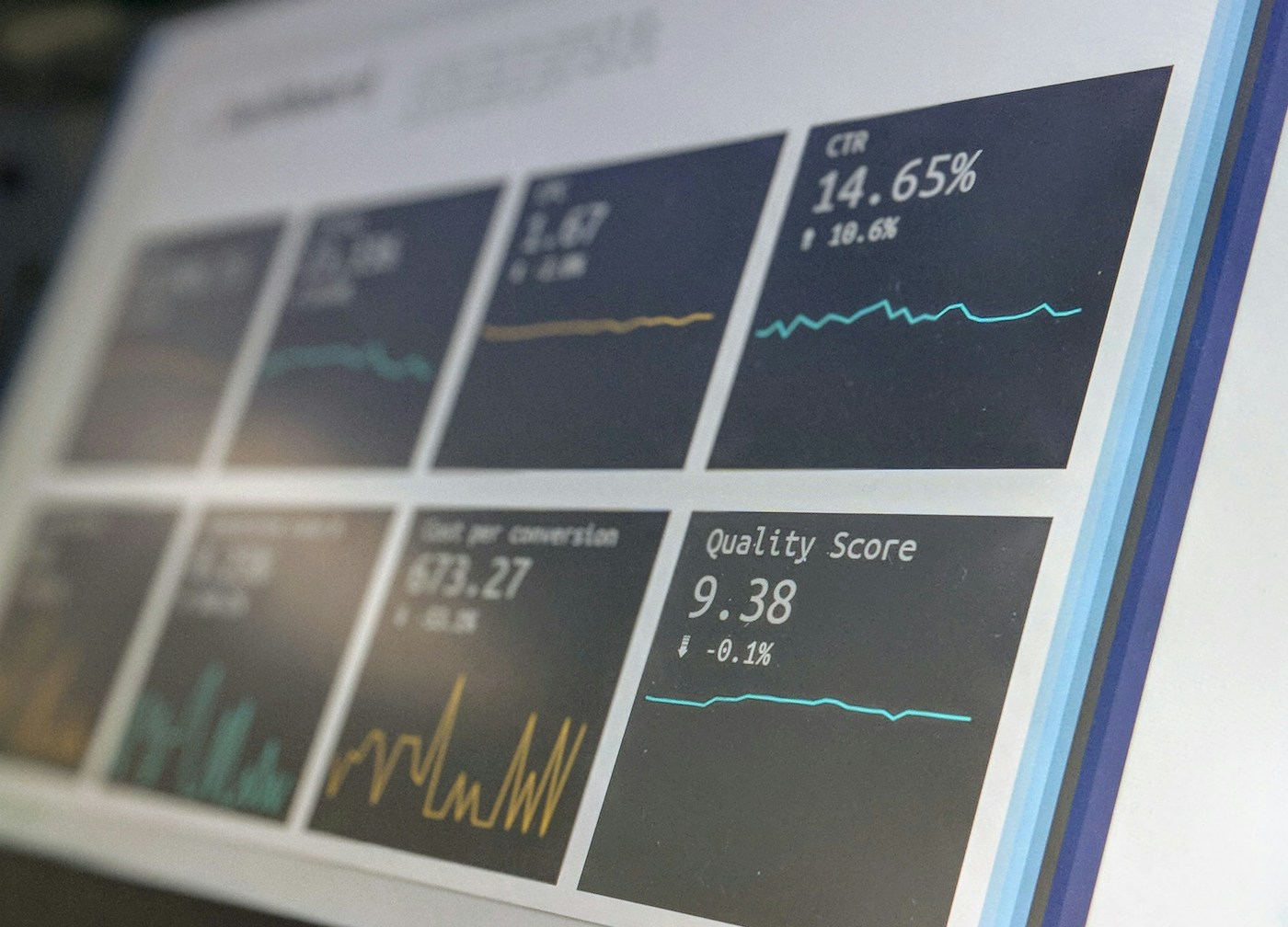
Central to the 2026 roadmap is the deployment of SalesKR's proprietary demand intelligence platform — a machine-learning system trained on five years of cross-border purchase data, social search trend signals from TikTok and Instagram, and regional regulatory change feeds. The system processes over 2 million data points weekly to generate market-specific demand forecasts with a reported accuracy rate of 87.4%.
In practical terms, this means SalesKR's import partners will receive automated reorder recommendations 30 days in advance of projected demand spikes. Early pilot results from the Southeast Asia trial in Q4 2025 showed a 28% reduction in out-of-stock incidents and a 19% decrease in over-ordering waste across participating distributors.
"We are not simply adding countries to a list. We are building the most intelligent Korean product supply network the world has ever seen."
The Partner Ecosystem Strategy
Unlike traditional export models that rely on a single master distributor per country, SalesKR's 2026 framework introduces a tiered partnership architecture. At the top sits a Platinum Distributor — typically a national-scale importer with cold storage capacity and a minimum monthly order volume of $250,000.
This structure is deliberately designed to prevent channel conflict while maximizing geographic penetration. In countries where no single distributor has national reach — common in markets like Brazil, Nigeria, and the Philippines — SalesKR will operate a direct-import program using co-managed bonded warehouse facilities.

Looking Ahead to 2027
The 2026 roadmap is explicitly framed as a foundation, not a destination. SalesKR outlined preliminary plans for a 2027 phase that would include direct-to-consumer capabilities in select high-value markets, positioning the company not just as a B2B wholesaler but as a vertically integrated Korean product platform.
For the global importers, distributors, and retail buyers who work with SalesKR today, the message is clear: the company is now building the infrastructure to make Korean products as reliably available as any domestic brand — regardless of which country you operate in.