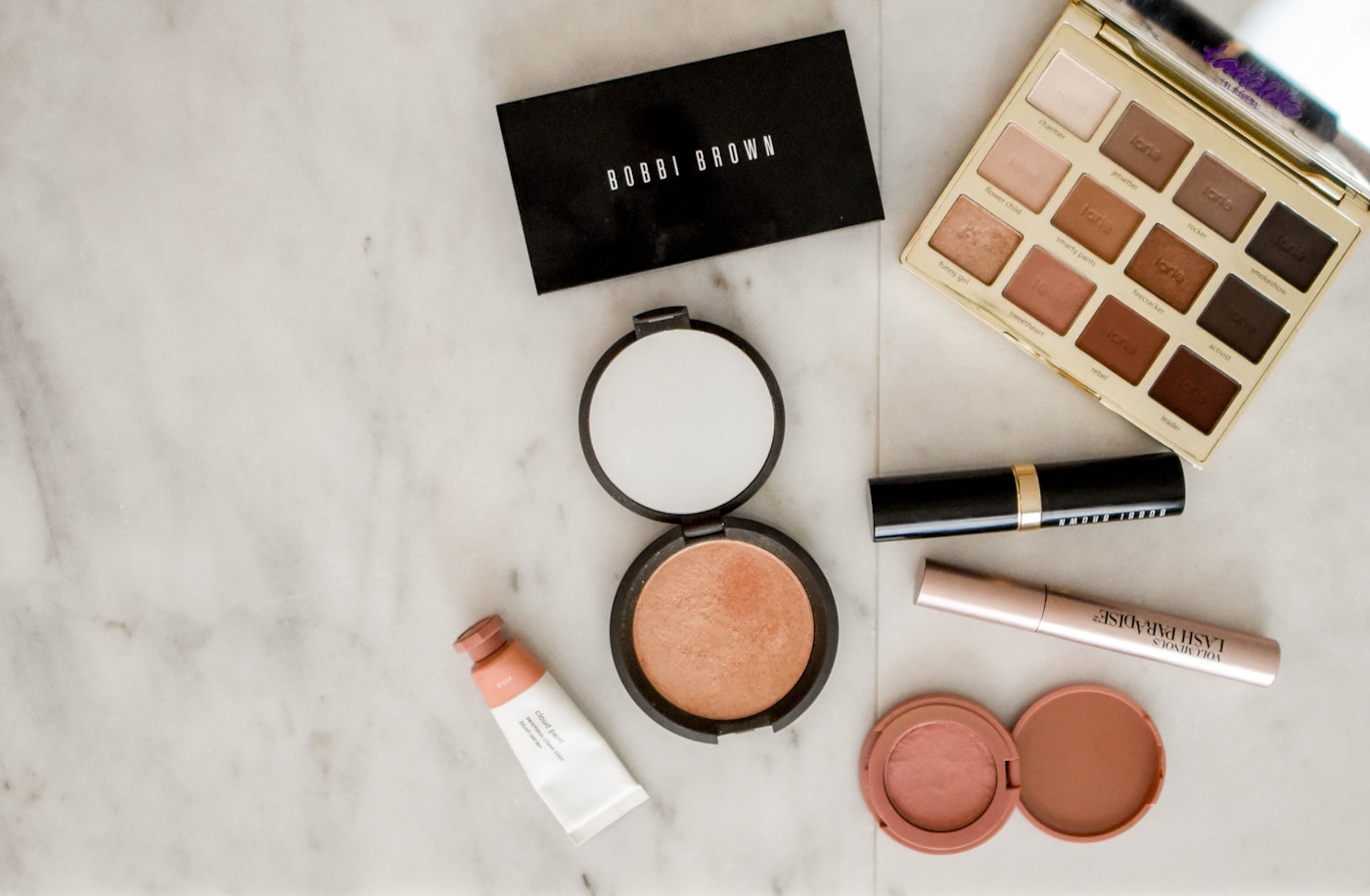
The North American beauty market has undergone a structural shift. Across the United States and Canada, Korean skincare and cosmetics are no longer niche imports — they are mainstream shelf staples, and SalesKR's exclusive distribution model has been central to making that transition possible.
How the Data Led the Strategy
SalesKR's entry into the North American market was not built on instinct alone. The company's market intelligence team analyzed over 1 million consumer search queries per month across Google, TikTok, and Reddit to identify which Korean product categories were generating organic interest without reliable supply. The answer was clear: SPF products, low-pH cleansers, and ceramide-based moisturizers were the three fastest-growing segments, yet retail shelf availability lagged search intent by an average of 14 months.
Armed with this gap analysis, SalesKR partnered directly with eight Korean manufacturers across these categories — bypassing traditional multi-tier import chains — and established direct supply agreements that reduced landed cost per unit by an average of 23%. The savings were passed on to retail partners in the form of a more competitive wholesale price point.
Retail Penetration by Category
Skincare leads the North American performance story with a 40% year-over-year demand increase, followed by sheet masks at 28% and color cosmetics at 17%. The sunscreen category saw a 62% increase in sell-through during the 2025 summer season, driven by dermatologist endorsements on social media and a growing consumer preference for lightweight, non-greasy formulas.
Retail partners report that Korean beauty products now generate a repurchase rate of 45% within 90 days of first purchase — 18 percentage points higher than the category average for imported beauty goods. This loyalty dynamic is transforming the economics of the relationship between SalesKR and its retail partners.
"The North American consumer has moved beyond the K-beauty trend phase. This is now category loyalty — and SalesKR is the infrastructure behind it."
The Supply Chain Behind the Numbers
Sustaining a 40% demand surge requires more than good product — it requires infrastructure that can scale without breaking. SalesKR's North American distribution network is anchored by two bonded warehouse facilities in Los Angeles and New Jersey, each equipped with climate-controlled storage zones for temperature-sensitive formulations.
The company's inventory management system uses real-time point-of-sale data feeds from major retail partners to trigger automated replenishment orders before stock depletion occurs. The result is a near-zero out-of-stock rate across the top 50 SKUs — the metric retailers cite most often when expanding Korean beauty shelf space.
What Comes Next for North America
SalesKR's North American team is in advanced discussions with two major pharmacy chains and one premium department store group to introduce dedicated K-beauty shop-in-shop formats scheduled for rollout in Q2 2026.
What began as a niche import category is now competing directly with legacy European and American beauty brands for prime retail real estate. SalesKR has positioned itself not merely as the supplier behind this shift, but as the strategic architect of it.